Michael
TRIP TO GHANA
Stepping off the plane in Accra, Ghana, I was immediately swept up by a wave of excitement. Ghana had always intrigued me with its rich history, vibrant culture, and warm spirit, and I couldn’t wait to dive into all it had to offer.
Exploring Accra
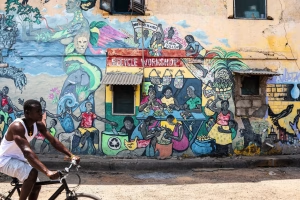
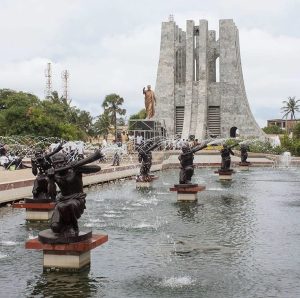
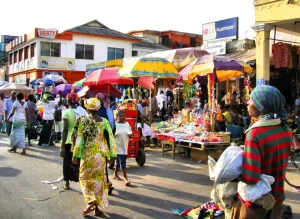
My adventure kicked off in Accra, where I was greeted by the radiant sunshine and the lively rhythms of African music in the air. The city’s energy was infectious as I spent my first few days wandering through its bustling markets and exploring its historic sites, including the iconic Kwame Nkrumah Memorial Park, a tribute to Ghana’s first president.
The Coastal Adventure
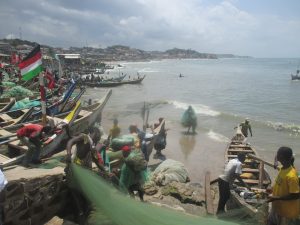
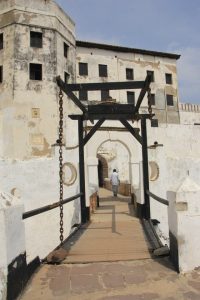
From Accra, I journeyed along the coastal route, taking in the scenic beauty of Ghana’s fishing villages and pristine Atlantic beaches. One of my first stops was Elmina, where I toured the Elmina Castle. 
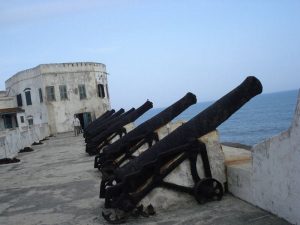
This historical site, once a slave fort, now stands as a somber yet powerful museum, shedding light on Ghana’s colonial past.
Continuing along the coast, I arrived in Cape Coast, a charming beach town. I spent the day basking in the sun and swimming in the crystal-clear waters, before visiting Cape Coast Castle, another poignant site that provided sweeping ocean views and insights into the country’s history of slavery.
Immersing in the Ashanti Region
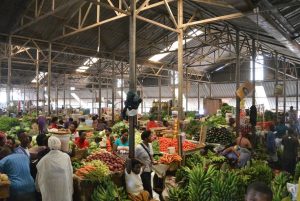
Next, I traveled inland to the Ashanti Region, the heart of Ghana’s cultural heritage. In Kumasi, the bustling capital, I visited the magnificent Manhyia Palace, home to the Ashanti king. The markets in Kumasi were alive with color and energy, offering everything from handcrafted goods to local produce.
A short trip to Bonwire allowed me to witness the intricate process of Kente cloth weaving. It was an incredible experience to try weaving a strip myself, a true hands-on dive into Ghanaian tradition.
Discovering the Northern Region
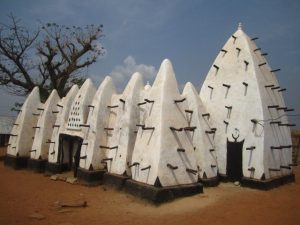
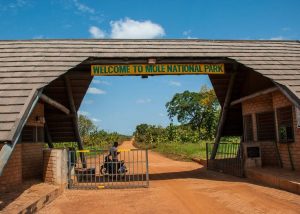
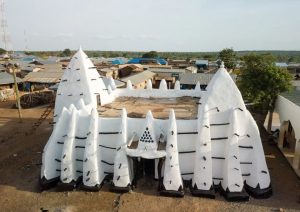
My travels then took me to the Northern Region, a vast and scenic land of savannas and forests. At Mole National Park, I embarked on a thrilling safari, spotting elephants, monkeys, and antelopes in their natural habitat. I also visited the historic Larabanga Mosque, a striking example of Sudanese architecture, which stood as a testament to the region’s rich cultural diversity.
Exploring the Volta Region
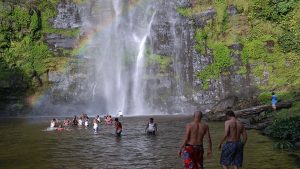
Next, I headed east to the Volta Region, known for its stunning mountains and valleys. A highlight of this part of the trip was a visit to Wli Waterfalls, the tallest in Ghana. The hike to the falls through lush forests was invigorating, and the sight of the waterfall’s powerful cascade was breathtaking. I also stopped by Hohoe, where I explored the vibrant local market and sampled traditional Ghanaian dishes.
The Eastern Region
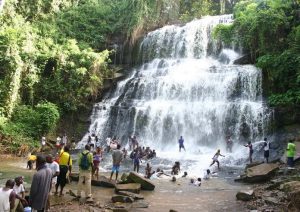
Finally, I ventured to the Eastern Region, an area known for its lush greenery and beautiful mountain landscapes. I visited Boti Falls, a magnificent waterfall set amidst tropical forests. The serenity of the place was unforgettable. I also made a stop in Koforidua, where I explored the bustling market and tried more of the region’s delicious offerings.
Reflecting on My Ghanaian Journey
Reflecting on my time in Ghana, I was left in awe of the country’s incredible diversity—from its bustling cities and deep cultural roots to its stunning natural landscapes. Whether you’re drawn to history, culture, adventure, or simply exploring the beauty of nature, Ghana has something for every traveler.
If you’re considering a trip to this remarkable country, you’ll surely be captivated by its warmth, charm, and vibrant spirit. Start planning your own adventure to Ghana today!
Top 10 Places to Visit in Ghana



Things to Do in Ghana
-
Take a guided tour of Accra’s markets and historic sites
-
Visit the coastal slave forts, including Elmina and Cape Coast
-
Embark on a safari in Mole National Park
-
Hike through the lush forests of the Volta Region
-
Try Ghanaian dishes like fufu and banku
-
Attend a traditional festival or ceremony
-
Relax on the Atlantic coast’s beautiful beaches
-
Visit the Kente weavers in Bonwire
-
Go on a boat tour of Lake Volta
-
Explore the mountain landscapes of the Eastern Region
Getting Around Ghana
-
Tro-tro (minibus): An affordable and convenient way to travel between cities
-
Taxi: More comfortable and direct, though slightly pricier
Important facts about Ghana
- 1. Visa Requirements: Check if you need a visa to enter Ghana. Citizens of certain countries can enter Ghana without a visa.
2. Vaccinations: Consult your doctor or a travel clinic about recommended vaccinations, such as yellow fever, hepatitis A, and typhoid.
3. Travel Insurance: Consider purchasing travel insurance that covers medical emergencies, trip cancellations, and delays.
4. Flight Information: Book your flights in advance to secure the best rates.
Culture and Customs
-
1. Respect for Elders: Show respect to elderly Ghanaians, who are highly revered in the culture.
2. Dress Modestly: Dress conservatively, especially when visiting rural areas or attending cultural events.
3. Use Your Right Hand: When eating, giving or receiving something, use your right hand.4. Learn Basic Phrases: Learn basic phrases in Twi, such as “akwaaba” (welcome) and “medase” (thank you).
Health and Safety
- 1. Malaria Prevention: Take antimalarial medication and use insecticide-treated bed nets.
2. Water and Food Safety: Drink bottled or filtered water and eat at reputable restaurants.
3. Road Safety: Be cautious when crossing roads, as traffic can be chaotic.
4. Petty Crime: Be mindful of your belongings, especially in crowded areas.
Money and Finances
- 1. Ghanaian Cedi: The local currency is the Ghanaian cedi. You can exchange currency at banks or forex bureaus.
2. ATMs and Credit Cards: ATMs and credit cards are widely accepted in major cities.
3. Tipping: Tipping is not mandatory but is appreciated for good service.
4. Bargaining: Bargaining is a common practice in markets, so be prepared to negotiate prices.
Communication
1. Language: English is the official language, but Twi and other local languages are widely spoken.
2. Phone and Internet: Phone and internet services are widely available, but can be unreliable in rural areas.
3. Power Outages: Power outages can occur, so be prepared with a portable charger or power bank.
Transportation
1. Taxis and Tro-Tros: Taxis and tro-tros (minibuses) are widely available, but can be crowded and unreliable.
2. Renting a Car: Renting a car is a good option for exploring the country, but be prepared for chaotic traffic.
3. Domestic Flights: Domestic flights are available, but can be expensive.
Accommodation
1. Hotels and Guesthouses: Hotels and guesthouses are widely available, ranging from budget-friendly to luxury options.
2. Hostels and Backpackers: Hostels and backpackers are available in major cities, offering affordable accommodation.
3. Homestays: Homestays are a great option for experiencing local culture and hospitality.
Food and Drink

1. Traditional Cuisine: Try traditional Ghanaian dishes, such as fufu, banku, and jollof rice.
2. Street Food: Street food is widely available, but be cautious of food safety.
3. Bottled Water: Drink bottled or filtered water to avoid waterborne illnesses.
Events and Festivals
1. Akwasidae Festival: Attend the Akwasidae Festival, a traditional Ashanti festival.
2. Homowo Festival: Experience the Homowo Festival, a traditional Ga festival.
3. Independence Day: Celebrate Ghana’s Independence Day on March 6th.
Essential Items to Pack
1. Passport and Visa: Ensure your passport is valid for at least six months.
2. Vaccination Certificate: Bring your vaccination certificate, especially for yellow fever.
3. Malaria Medication: Pack antimalarial medication and insecticide-treated bed nets.
4. Power Adapter: Bring a power adapter for charging your devices.
5. Water Bottle: Pack a refillable water bottle to stay hydrated.
6. Sunscreen and Insect Repellent: Protect yourself from the sun and insects.
7. Comfortable Shoes: Wear comfortable shoes for exploring the country.
8. Lightweight Clothing: Pack lightweight clothing for the tropical climate.
9. Camera: Bring a camera to capture the stunning scenery and cultural experiences.
10. Respect and Open-Mindedness: Pack respect and open-mindedness for the local culture and customs.
The Ultimate Road Trip: Traveling to Ghana by Road
Are you ready for an adventure of a lifetime? Do you want to experience the beauty of West Africa up close? Look no further! Traveling to Ghana by road is a thrilling experience that will take you through stunning landscapes, vibrant cultures, and unforgettable encounters.
Why Travel to Ghana by Road: Traveling to Ghana by road offers a unique perspective on the country and its people. You’ll get to see the scenic countryside, interact with locals, and experience the warmth and hospitality of Ghanaian culture. Plus, it’s a great way to see the sights and sounds of neighboring countries along the way!
The Route- Lagos to Accra: The most popular route for traveling to Ghana by road is from Lagos, Nigeria to Accra, Ghana. The journey takes around 10-12 hours, depending on traffic and road conditions. You’ll pass through the borders of Togo and Benin, offering a glimpse into the diverse cultures and landscapes of West Africa.
Preparation is Key
Before embarking on your journey, make sure you have:
- A valid passport and visa (if required)
- A reliable vehicle in good condition
- A driver’s license and vehicle insurance
- A map or GPS device because of snacks, water, and emergency supplies
- A first-aid kit and basic toolkit
Border Crossings
When crossing borders, be prepared for:
- Long queues and delays
Multiple checkpoints and inspections
Language barriers and cultural differences
Different currency exchange rates
Safety Tips
To ensure a safe and enjoyable journey:
- Research the route and road conditions beforehand
Drive defensively and avoid night driving
Keep valuables secure and out of sight
Be respectful of local customs and traditions
Stay hydrated and take regular breaks
Accommodation and Food
Along the way, you’ll find a range of accommodation options, from budget-friendly guesthouses to luxury hotels. Be sure to try some of the local cuisine, including fufu, banku, and jollof rice.
Conclusion
Traveling to Ghana by road is an adventure you’ll never forget. With proper preparation, safety precautions, and an open mind, you’ll be ready to take on the ultimate road trip. So pack your bags, fill up your tank, and get ready to experience the beauty and warmth of Ghana!
Frequently Asked Questions
- Q: Do I need a visa to travel to Ghana?
A: Yes, depending on your nationality. Check with the Ghanaian embassy or consulate for requirements. - Q: What is the best time to travel to Ghana?
A: The best time to visit Ghana is during the dry season, from December to April. - Q: Can I use my credit card or ATM card in Ghana?
A: Yes, major credit cards and ATM cards are accepted in Ghana, but it’s always best to have some local currency handy.
How to “Dis-virgin” Your International Passport: A Nigerian’s Ultimate Travel Guide
As a Nigerian passport holder, are you ready to take your first steps into the world of international travel? If you’ve been dreaming about exploring new destinations, experiencing vibrant cultures, and making memories that will last a lifetime, then it’s time to “dis-virgin” your international passport.
But what does “dis-virgin” mean, and how can you embark on this exciting journey? Don’t worry—we’ve got you covered. In this post, we’ll guide you through the simple steps to get your first visa stamp and set off on your global adventure.
What Does It Mean to “Dis-virgin” Your Passport?
In travel lingo, to “dis-virgin” your passport simply means getting your first visa or passport stamp. It’s an exciting milestone for any traveler, a rite of passage that marks the beginning of a whole new chapter of exploration and discovery. And as a Nigerian passport holder, we’re here to help you navigate this process with ease.
Step 1: Choose Your Dream Destination
The first step in “dis-virgin” your passport is choosing the destination where you’ll make your global debut. Whether it’s a short getaway or an exotic adventure, your destination will guide your next steps. As a Nigerian passport holder, it’s wise to begin with countries that either have relaxed visa policies or offer visa-free/visa-on-arrival entry.
Here are some top destinations to consider for your first international trip:
-
Ghana
-
South Africa
-
Kenya
-
Dubai (UAE)
-
Turkey
Step 2: Check the Visa Requirements
Before you start packing, check the visa requirements for Nigerian passport holders visiting your chosen country. You can find this information on the destination country’s official government website or by contacting the nearest embassy or consulate.
Some countries offer visa-free entry, while others might require you to apply for a visa either before or upon arrival. Be sure to understand the specifics of what’s needed to avoid any surprises.
Step 3: Gather Your Documents
For most visa applications, you’ll need to provide a set of documents. Here’s a quick checklist:
-
A valid international passport (make sure it’s valid for at least six months)
-
A completed visa application form
-
Recent passport-sized photos
-
Proof of payment for the visa application fee
-
Proof of travel arrangements (e.g., flight tickets, hotel booking)
-
Proof of sufficient funds (bank statements or sponsorship letters)
Make sure to double-check the requirements on the embassy’s website to ensure you’re not missing any crucial documents!
Step 4: Submit Your Visa Application
Once your documents are in order, it’s time to submit your application. Depending on your destination, you might be able to apply online, through the embassy, or via a registered visa application center.
Ensure that your application is completed accurately and that all supporting documents are included. A well-prepared application will help prevent delays or rejection.
Step 5: Be Patient During Processing
After submitting your application, it’s time to play the waiting game. Visa processing times can vary depending on the country and visa type. For some destinations, you might receive approval in just a few days, while others may take several weeks or even longer. Keep checking for updates, but most importantly, be patient.
Step 6: Get Your Visa & Plan Your Adventure
Once your visa is approved, you’re one step closer to your adventure! It’s time to book your flights, finalize accommodation plans, and start researching activities to do at your destination. From the best sightseeing spots to hidden gems, make sure you plan a trip that suits your interests.
Conclusion: The World is Waiting for You
“Dis-virgin” your Nigerian passport may require a little effort and patience, but it’s a journey that will open doors to countless exciting experiences. With a bit of research and proper planning, you’ll soon be packing your bags and embarking on your first international trip.
So, what are you waiting for? Your passport’s first stamp is just around the corner, and the world is waiting for you!
Frequently Asked Questions (FAQ)
Q: Do I need a visa for every country I want to visit?
A: No, some countries offer visa-free entry or visa-on-arrival for Nigerian passport holders. Check the visa policy of your destination before planning.
Q: How long does it take to process a visa?
A: Processing times vary by country and visa type. It could take anywhere from a few days to several weeks.
Q: Can I apply for a visa online?
A: Yes, many countries offer online visa applications. However, some countries still require you to submit your application in person at the embassy or consulate.
Q: What documents do I need for a visa application?
A: Common documents include a valid passport, completed visa application form, recent photos, proof of travel arrangements, and proof of funds. Always check the embassy website for a specific list.