Michael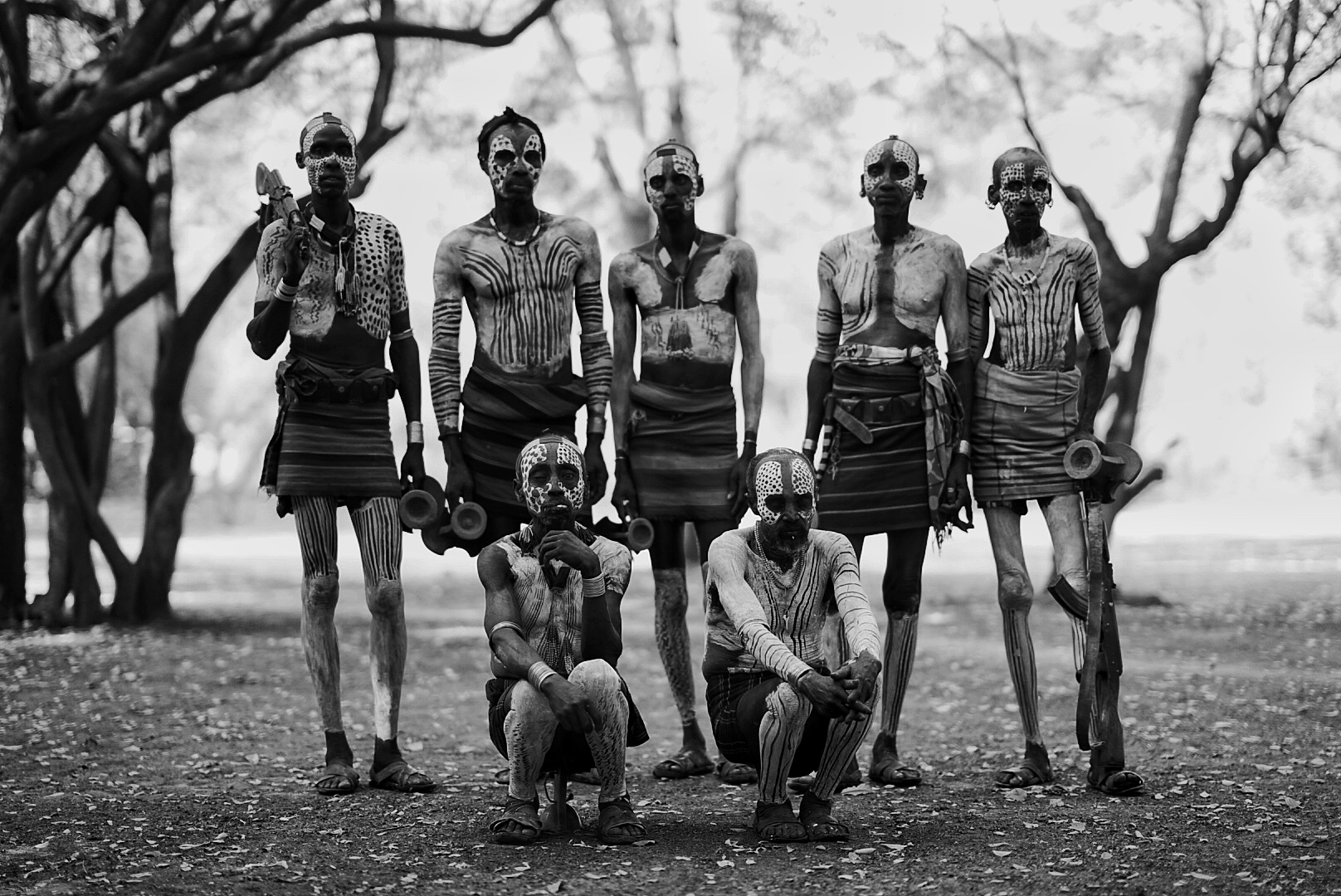
OMO VALLEY TRIBE
Visiting a communities in Ethiopia’s called Omo Valley is a unique opportunity to immerse yourself in a diverse range of cultures. Each tribe in this region has its own distinct way of life, shaped by centuries of tradition.
From language and clothing to food and customs, the tribes of the Omo Valley stand out for their individuality and heritage.

KEY TRIBES OF THE OMO VALLEY
- Mursi: Renowned for their women wearing lip plates, the Mursi live in a remote area near the Omo and Mago rivers.
- Suri: Closely related to the Mursi, the Suri share similar cultural traditions.
- Hamar: Famous for their elaborate body decorations and bull-leaping ceremonies.
- Bodi (Me’en): Engaged in trade with the Mursi, the Bodi are also based in the Omo Valley.
- Daasanach: Inhabit the banks of the Omo River and maintain a pastoral lifestyle.
- Kara (Karo): Residing along the Omo River, the Kara are known for their unique cultural practices.
- Banna: Located in the mountainous areas further from the Omo River, the Banna are less frequently visited.
- Nyangatom (Bume): Another tribe living along the Omo River.
- Other Tribes: The Aari, Kwegu, and Arebore also call the Omo Valley home.
These tribes have developed unique socio-economic and ecological practices adapted to the harsh semi-arid climate of the region. The Omo Valley, with its diverse tribal communities, is a significant area for cultural and anthropological study.
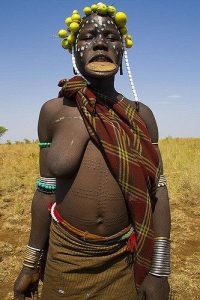
One of the most well-known tribes in the Omo Valley, the Mursi have a population of approximately 8,000 people. Traditionally, the Mursi are a semi-nomadic group, though they typically migrate from the Omo River banks during the dry season to the surrounding grasslands in the rainy season. Cattle play a central role in Mursi life, influencing social relationships, including marriage, and forming the basis of their diet. The Mursi speak a Surmic language, which belongs to the Nilo-Saharan language family. Much of their history is preserved through an oral storytelling tradition.
The Mursi are perhaps most famous for the clay discs (debhinya) worn by the women in their lower lips, a symbol of beauty and adulthood. A young girl’s lower lip is pierced in her early teenage years, and a clay disk is placed inside to hold the cut open. Over time, progressively larger disks are inserted, stretching the lip gradually. The size of the disk depends on the woman’s personal choice, with the practice serving as both a rite of passage and a distinctive beauty mark, another defining aspect of the Mursi tribe is their duelling tradition. Male warriors engage in duels with long wooden poles (donga), which can last several days. The contest ends when one man either falls or retreats due to injury. Women also participate in a form of duelling, using iron bracelets (ula) to strike each other. The ula symbolizes strength, and only the most resilient women are worthy of wearing it while the Mursi tribe’s rich customs and traditions offer a fascinating glimpse into a way of life that has remained largely unchanged for generations.
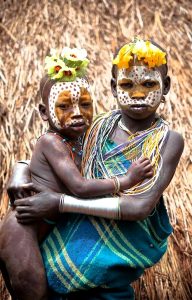
The Suri people are an indigenous pastoral community located on the western bank of the Omo River, with a culture deeply rooted in cattle herding. While they traditionally relied on livestock, recent changes have seen them settle into more agricultural practices, cultivating grains alongside their herds. Cattle hold significant value in Suri society, symbolizing wealth and status, with an individual’s wealth measured by the size of their herd. The tribe’s population is approximately 7,500, with individual villages ranging from small communities of around 40 people to larger ones with up to 2,500, do you know in Suri households, women typically hold the reins of the family, managing their own fields and earning income through the sale of grains and beer. The men of the tribe are categorized into different age groups, such as children, young men, junior elders, and senior elders, with each group assuming specific roles and responsibilities within the community. A notable cultural tradition shared by the Suri and their neighboring tribe, the Mursi, is stick fighting. During these contests, unmarried men adorn their bodies with chalk and engage in physical battles using long, heavy poles, attempting to knock their opponent to the ground. Another striking custom of the Suri women, similar to the Mursi, is the stretching of their lips and wearing large clay discs inserted into the openings. Both men and women of the Suri also practice scarification as part of their cultural identity, while over the years, firearms, particularly smuggled AK-47s from Sudan, have become an integral part of Suri life. It has become standard practice for men to carry guns, not just for hunting but for protecting their cattle from thieves and safeguarding their families against wild animal attacks and also the Suri trace their origins to the Boma Plateau, the Omo Valley, and the Gobi of Maji Plateau, migrating to their current location around 200 years ago. Their journey took them across multiple regions, including the Akobo and the Boma Mountains, where they absorbed local groups. Throughout the late 19th and early 20th centuries, the Suri faced harassment from Ethiopian imperial forces and northern settlers. The situation worsened after 1925, pushing many Suri to seek refuge in South Sudan. The 1980s saw the influx of automatic weapons from Sudan, which further shaped the tribe’s security concerns. The Suri are not alone in the southwest of Ethiopia; they share the region with about 12 other ethnic groups. Tensions often flare between the Suri and neighboring tribes. Their primary adversaries are the Nyangatom, who live to the south, and the Toposa, both part of the larger Ateker group. These groups frequently collaborate in raiding Suri cattle. The aftermath of the Second Sudanese Civil War has only intensified these conflicts, with neighboring communities pushing further into Suri territory, causing increased competition for resources such as land, water, and grazing grounds. These clashes tend to be most intense during the dry season, when the Suri move their cattle south in search of better grazing lands efforts by the state to foster peace, such as peace conferences (like the one held in 2008), have not fully resolved the tensions. Meanwhile, the Ethiopian government’s land confiscation for commercial agricultural projects has exacerbated disputes between the Suri and other ethnic minorities. The recent political shifts in Ethiopia, particularly the growing autonomy of the Southern Ethiopian Regional State, have also added a layer of complexity to the Suri’s struggles, as ethnic competition and rivalry have become more pronounced at both regional and local levels.
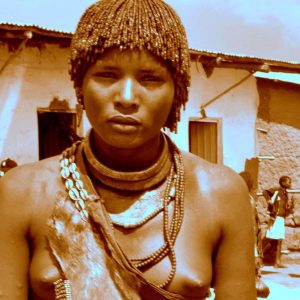
The Hamar tribe, a fascinating and resilient group of people, inhabit the rugged and remote landscapes east of the Omo River in Ethiopia. Their villages, spread across Turmi and Dimeka, offer a glimpse into a world where time seems to slow down, and ancient traditions are fiercely upheld. The people of this tribe have lived in these areas for centuries, shaping their way of life in harmony with their surroundings, deeply connected to the land, their animals, and one another. The physical structures they inhabit, their homes, are a direct reflection of their resourcefulness. Constructed from locally sourced materials such as wood, straw, and mud, their huts are simple yet strong. The sloping roofs, designed to protect them from the elements, tell the story of a people who have adapted over generations to the harsh climate of the region, and the heart of the Hamar people’s identity lies their rich and unique set of traditions, many of which are centered around rituals of love, respect, and community. One of the most striking and significant customs is the annual ceremony where women, dressed in their finest, taunt and challenge the male members of their families. Armed with horns and their sharpest words, the women blow the horns, sending out calls to the men to come forward for a ceremony that both shocks and awes outsiders. The taunts are not meant to insult but to test the devotion of the men, and this results in one of the most intense and visually dramatic moments in Hamar life: the act of whipping. The women submit themselves to being whipped by the men, sometimes until the blood is drawn. This act, which may seem barbaric to outsiders, is a deeply symbolic gesture within the tribe. The pain and bloodshed are seen as a demonstration of unwavering loyalty, respect, and devotion to their families and loved ones. It is a mutual exchange of trust and sacrifice, where the women willingly undergo the punishment, showcasing their strength and resilience, while the men prove their commitment and dedication to the tribe’s customs, perhaps the most iconic feature of the Hamar women is their striking hairstyles, which are as much an art form as they are a symbol of beauty and identity. Their hair is meticulously styled into short, dense ringlets, a process that can take hours and is passed down from one generation to the next. The women mix butterfat and red ochre, a natural pigment, into their hair, giving it a deep, rich red hue that is both eye-catching and emblematic of their connection to the earth. This vibrant hair is often accompanied by colorful bead necklaces and bracelets, carefully crafted to reflect the individual’s personal style as well as the tribe’s rich cultural heritage. In addition to their beautiful hairstyles, the women wear goatskin dresses, which are adorned with shells and beads, symbolizing both their femininity and their connection to the tribe’s agricultural roots, their attire is not just about beauty, but a statement of their identity, marking them as both fierce and proud members of the Hamar tribe. The men of the Hamar tribe, equally known for their remarkable courage and strength, take part in one of the most dramatic and revered rites of passage: the Bull Jumping ceremony. This tradition is perhaps the most intense and breathtaking of all Hamar rituals, and it holds great significance for the young men who undergo it. To become a man in the eyes of the tribe and prove his readiness for marriage, a young man must demonstrate his physical prowess, courage, and resilience in a highly public spectacle. He must jump over a line of 10 to 30 bulls, running across their backs while completely nude and without falling. It is a test not only of physical strength and agility but also of mental fortitude. The challenge is grueling, and the risks are high—one wrong move could result in injury or even death. Yet, the young men are expected to complete the jump multiple times, running along the backs of the bulls, proving their stamina and their ability to control their fear. The ceremony, which can last up to three days, is a public event where the entire village comes together to watch and cheer for the young men. It is not only a rite of passage but a celebration of the tribe’s strength, courage, and unity.
Once the young man successfully completes the Bull Jumping ceremony, he is granted permission to marry and start his own family, an important milestone in Hamar society. This achievement also allows him to own cattle, a valuable asset in the tribe’s pastoral culture. However, the significance of the Bull Jumping ceremony doesn’t end with the individual—it is also a moment of collective celebration for the entire tribe. The tribe’s elders, women, and children gather to witness the event, and it is followed by a series of celebrations, including the Evangadi, or night dancing. The Evangadi is a vibrant and joyous ritual that takes place under the stars, where men and women of where men and women of all ages come together to dance, sing, and celebrate the successful transition of the young man into adulthood. The dance itself is not only a form of artistic expression but also a celebration of community and unity. The night is filled with music, laughter, and stories, as the people of the tribe share in the accomplishments of the new man and the strength of their traditions, following the Evangadi, a feast is held, where the tribe shares food, drinks, and the fruits of their labor. The communal meal is an essential part of the celebration, reinforcing the bonds of the tribe and reminding everyone of the importance of unity and togetherness. It is a moment to reflect on the challenges faced, the strength gained, and the future that lies ahead and in a world that is constantly changing, the Hamar tribe remains a remarkable example of how tradition, culture, and community can endure through the ages. Despite the pressures of modernization, the Hamar people continue to live according to their ancient customs, fiercely proud of their heritage. Their rituals, whether it’s the women’s symbolic act of whipping or the men’s incredible Bull Jumping ceremony, are not just traditions—they are vital expressions of identity and belief, woven into the very fabric of the tribe’s existence. As the world moves forward, it’s crucial to ask ourselves: How much of these rich traditions can and should be preserved? Can they continue to thrive in the modern age, or do they risk being overshadowed by global influences and changing societal values? Would you ever dare to witness or participate in such traditions, or are they too intense for your taste? The Hamar tribe’s way of life is a testament to the resilience of human culture, and their story is one worth sharing and reflecting upon. What do you think about the balance between preserving cultural heritage and adapting to modern life? Share your thoughts and let’s explore this fascinating culture together.
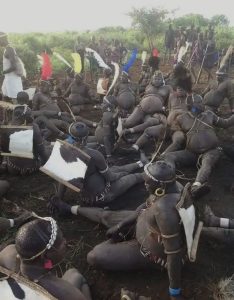
The Bodi tribe, nestled in the remote valleys of the Omo River region in southwestern Ethiopia, has lived a life closely intertwined with the land, cattle, and traditions that have been passed down through generations. The Bodi people are part of a larger group of Nilotic pastoral lists who share their ancestral lands with other tribes such as the Mursi, with whom they have had a long-standing relationship. These two tribes are known not only for their close proximity but also for their frequent trading exchanges, where the Bodi barter cattle and other livestock for agricultural products like maize, honey, and vegetables. Their way of life, heavily dependent on livestock, has shaped their entire culture, economy, and social structure, at the heart of Bodi society is the importance of cattle. The tribe’s pastoral lifestyle means that their entire economy revolves around the care and management of these animals. Unlike agricultural communities that cultivate crops for sustenance, the Bodi are primarily concerned with maintaining healthy herds of cattle. They are not involved in farming; instead, they rely on the goods they receive through trade at tribal markets. This reliance on livestock also defines their diet, which is uniquely centered on cattle. The Bodi people are known for a practice that might seem strange to outsiders but is essential to their daily life: they drink a mixture of milk and blood from their cattle. However, they do not slaughter their cows to obtain the blood. Instead, they carefully make a small incision in the animal’s neck, allowing the blood to flow while ensuring the cow’s survival. This ritual is not only a dietary practice but also symbolizes the deep bond between the people and their cattle, which are seen as both a source of food and a form of wealth and addition to their diet and economy, the Bodi people’s clothing and appearance are important cultural markers. The men of the tribe typically wear simple fabric skirts, while the women wear garments crafted from goat skin. But it’s not just what they wear that defines them—it’s also the body modifications that are integral to their cultural identity. Both men and women of the Bodi tribe participate in the ritual of scarification, a process where the skin is cut in intricate patterns. These scars are seen as a symbol of beauty, bravery, and strength. The act of scarification is not taken lightly; it is a mark of courage, a way for individuals to demonstrate their resilience and willingness to endure pain for the sake of tradition. These body marks also serve as a visual representation of one’s life story, status, and achievements within the community.
Among the many fascinating rituals that the Bodi people follow, one of the most unique is the annual “Holiday of the Fat Men,” known locally as Ka’el. This tradition is unlike any other, drawing not only members of the tribe but also outsiders who are intrigued by the spectacle. The event revolves around a competition in which men from the tribe are nominated by their families to gain as much weight as possible over a period of six months. During this time, the selected men are expected to consume large quantities of fatty foods, primarily milk, butter, and animal fats, while refraining from physical labor. The goal is clear: to put on as much weight as possible in the hopes of being crowned the “fattest” man during the ceremony, while the event approaches, anticipation builds within the community. On the day of the ceremony, the contestants cover themselves in a mixture of clay and ash, which is not only a form of body decoration but also has spiritual significance. The men then begin a ritual procession around a sacred tree, a site of cultural importance. This tree is believed to hold spiritual power, and the procession symbolizes the connection between the physical world and the spiritual realm. The entire tribe gathers around to witness the spectacle, with eyes fixed on the men as they walk slowly around the tree, their heavy bodies covered in clay and ash, proudly showing off their size. Once the procession concludes, the community crowns the man who has gained the most weight. This individual is celebrated as the “fattest” man of the year and is honored with a cow that is slaughtered in his name. The man receives a great deal of attention and admiration from his peers, his fame spreading far beyond the tribe. In Bodi culture, being fat is seen as a sign of prosperity, strength, and beauty. The larger a man is, the more he is respected, as his size reflects the abundance of his food supply and his ability to accumulate wealth. In fact, being overweight is considered one of the most desirable traits, and women view the ceremony as an opportunity to seek out potential husbands who have proven their strength and wealth through their size. The ritual also holds deep social significance. For the men, it is not only about personal achievement and glory but also about fulfilling their role in the tribe’s cultural and social fabric. For the women, the *Ka’el* ceremony offers a unique chance to select a husband, as the “fattest” man is regarded as the most desirable. It’s a chance to find a partner who embodies wealth, status, and success—qualities that are highly prized in Bodi society.
The Holiday of the Fat Men is a celebration of the values that are central to Bodi life: the importance of cattle, the pursuit of prosperity, and the reverence for personal achievements. It is a tradition that showcases the tribe’s ability to balance the physical with the spiritual, the individual with the collective. While it may seem strange to outsiders, the festival holds deep meaning for the Bodi people, providing a unique lens into their worldview and the values they hold dear, In a world that is rapidly changing, with many indigenous tribes facing pressure from modernization and outside influences, the Bodi people continue to hold tight to these age-old customs. Their way of life, centered on cattle, communal identity, and timeless traditions, offers a glimpse into a culture that has resisted the pull of globalization, choosing instead to preserve their rich history and unique way of life. The Bodi tribe, with their deep connection to the land, their cattle, and their vibrant customs, stands as a testament to the resilience of indigenous cultures around the world.
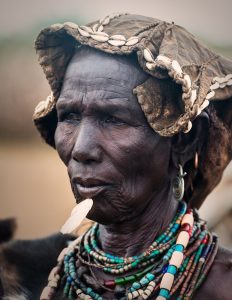
The Daasanach people, an ancient and resilient community, are found in the southernmost part of the Omo Valley, a region that has witnessed centuries of migration, cultural evolution, and natural change. Their population is estimated to be around 20,000, and they live at a geographical crossroads where the Omo River meets Lake Turkana in northern Kenya, in an area that has been both a lifeline and a battleground for generations. Their name, Daasanach, which translates to “People of the Delta,” is a clear reflection of their deep-rooted connection to the delta region, where the Omo River empties into the vast waters of Lake Turkana. This unique positioning has shaped their identity, culture, and way of life, fostering a community that thrives in one of the harshest yet most fascinating landscapes in the world.
The Omo Valley, rich in history, is known for being home to several tribes that have adapted to its diverse, and often extreme, environmental conditions. The Daasanach are no different, with their pastoral lifestyle enabling them to survive and even flourish in a land where many other communities struggle. The tribe has developed a complex relationship with the land, its rivers, and its seasonal shifts. During the wet season, when the Omo Delta floods, the Daasanach people engage in subsistence farming, cultivating crops like maize, beans, and pumpkins. The flooding of the delta provides fertile ground for these crops, offering a critical food source when the conditions are favorable, however life is far from predictable in this part of the world. As the dry season sets in, the floods recede, and the fertile lands turn arid. In these harsher months, the Daasanach revert to their primary source of sustenance: their cattle and goats. These animals are not only essential for food—they provide milk, meat, and hides—but are also central to the tribe’s social structure and cultural identity. The health and well-being of these animals are paramount, and a person’s wealth is often measured by the number of livestock they own. The cattle also play a crucial role in ceremonies and rituals, further cementing their place in Daasanach life. The physical homes of the Daasanach, though simple, reflect the ingenuity and resourcefulness of the tribe. Constructed in the shape of domes, these dwellings are made from locally available materials such as branches and hides. The walls of the homes are often covered with animal skins, while the floors are lined with woven mats made from grasses or reeds. These homes are not just shelters but serve as spaces for the community to come together. The homes are built with the seasonal changes in mind, designed to offer protection from both the intense heat of the dry months and the heavy rains that come with the flooding season and one of the most striking aspects of the Daasanach community is their language, which is part of the larger Afro-Asiatic language family. The Daasanach speak a unique language that further sets them apart from their neighboring groups, contributing to their distinct cultural identity. The language is not just a means of communication but a vital link to their history, traditions, and worldview, encapsulating their deep connection to the land and their ancestors. However, like many indigenous groups around the world, the Daasanach have faced challenges brought on by both internal and external forces. A unique social class within the tribe, known as the “Dies,” highlights some of the socio-economic divides that have emerged within their community. The Dies are those who have lost their cattle, often due to drought, disease, or conflict. As cattle ownership is directly tied to wealth and status, losing one’s livestock is not just a loss of income—it often leads to a loss of social standing. As a result, the Dies live on the fringes of Daasanach society, often near the shores of Lake Turkana. Here, they rely on fishing and hunting crocodiles to sustain themselves, adapting to a new way of life that is far removed from their pastoral roots.
Despite the difficulties faced by the Dies, the Daasanach as a whole remain a proud and vibrant community. Over time, they have developed a unique approach to art and craftsmanship that reflects both their creativity and their resourcefulness. One of the most recognizable aspects of Daasanach culture is their jewelry-making, a tradition that has evolved over the years. The Daasanach people have become known for crafting intricate pieces of jewelry from materials that might seem unusual at first glance—items such as discarded SIM cards, old digital watches, and bottle caps. These items, once discarded as waste, are repurposed into beautiful, wearable art. Their bottle cap headdresses, in particular, have become iconic, capturing the attention of visitors and anthropologists alike. These headdresses not only serve as decorative accessories but also as symbols of status and identity within the tribe.In addition to their jewelry, Daasanach women are easily identifiable by their pleated cowhide skirts, which are often adorned with a variety of bracelets and necklaces. These items, made from beads, shells, and other materials, are not merely ornamental; they carry deep cultural significance and are often passed down through generations. The men of the tribe typically wear a simple cloth wrapped around their waist, but their attire also reflects their social standing and personal achievements. As a whole, the Daasanach have an aesthetic that blends functionality with beauty, and their clothing and adornments are an expression of their culture, history, and connection to the land.
Through the centuries, the Daasanach people have not only survived but thrived in a region marked by extreme weather, scarce resources, and external pressures. They are a testament to the strength of indigenous cultures that have adapted to the changing world around them while maintaining their identity and traditions. Today, the Daasanach continue to navigate the challenges of modernity, balancing the old ways of their ancestors with the realities of a rapidly changing world. Whether through their creative adaptations to jewelry-making or their continued reliance on livestock and farming, the Daasanach remain a fascinating example of resilience, innovation, and cultural pride.
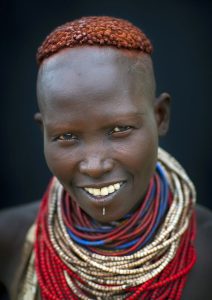
Nestled on the eastern banks of the Omo River, the Kara (or Karo) are a semi-nomadic group with a population ranging from just 1,000 to 3,000 individuals. Despite their small numbers, the Kara people play a unique and significant role in the cultural mosaic of Ethiopia’s Omo Valley. These resilient people are related to the Hamar tribe, and historical evidence suggests that at one point, the Kara and the Hamar were once a single tribe. However, in search of more fertile lands, they split apart, each tribe eventually forging its own path and identity.
This shared ancestry is evident in the cultural and linguistic ties between the Kara and the Hamar. Both groups speak Omotic languages that are strikingly similar, a linguistic legacy that reflects their deep-rooted connection to one another. Yet, over time, both tribes have developed distinct customs and traditions, making each tribe unique while still sharing many common elements.
From Herding to Fishing: The Changing Way of Life
Historically, the Kara people were herders, dependent on cattle for their livelihood. They lived primarily by the herding of cows, goats, and sheep, following a semi-nomadic lifestyle that took them across the Omo Valley. However, this way of life was drastically altered when a devastating disease swept through the region, decimating their cattle herds and forcing the Kara people to adapt quickly.
In the wake of this tragedy, the Kara turned to new ways of survival. They began to rely on fishing and agriculture, tapping into the resources provided by the Omo River. The river’s annual floods brought vital nutrients to the soil, allowing the Kara to cultivate crops like corn, beans, and pumpkins. These changes in their economy were transformative, marking the beginning of a new chapter in Kara culture.
The Kara are also known for their unique and highly skilled fishing techniques. Using long spears, they pierce fish in the Omo River, a practice that is deeply embedded in their cultural identity. However, fishing was once seen as a taboo practice for the tribe. It was believed that only single, young men could fish, and to maintain their purity, they had to undergo a purification ritual after catching fish. Today, this ritual remains an important part of their fishing practices, adding a layer of sacredness to the act.
Architecture and Attire: The Symbolism of the Kara Lifestyle
The Kara people’s villages are characterized by their cone-shaped huts, which are constructed from wooden poles that are intricately weaved together and covered with a layer of mud. These huts, with their thatched straw roofs, provide shelter from the harsh elements of the region. The entrances to their homes are made from wooden posts, where the Kara often hang symbolic items like buffalo ears or hooves. These objects not only serve as a physical doorway but also carry cultural significance, representing the spiritual and social identity of the family or household.
When it comes to clothing, simplicity reigns. Both men and women wear skirts made from leather or fabric, a practical choice for their active, semi-nomadic lifestyle. However, what truly sets their attire apart are the elaborate accessories they wear—bracelets, necklaces, and other adornments that reflect their individual status and beauty. For the Kara, personal adornment is not just about aesthetics but also about identity and the expression of culture.
Hairstyles, too, hold great cultural significance for the Kara people. Men’s hair is intricately braided, colored, and decorated with beads, feathers, and even flowers. These elaborate hairstyles are not just for beauty; they are a symbol of the individual’s social standing and personal achievements. The time and care taken to style their hair are a reflection of the importance placed on personal expression within Kara culture.
Bull Jumping and Scarification: Rituals of Passage
Perhaps the most iconic ritual of the Kara tribe is bull jumping, a ceremonial practice that marks the passage from boyhood to manhood. This ritual is strikingly similar to the bull jumping ceremonies of the Hamar people, highlighting the shared cultural heritage between the two tribes. During these ceremonies, young men leap over the backs of bulls, an act that is both a physical challenge and a rite of passage into adulthood. The courage and skill required to complete the jump are seen as the final test of a young man’s readiness to assume the responsibilities of manhood.
The Kara also practice a form of body art known as scarification. This practice involves deliberately cutting the skin to create raised scars, which are seen as symbols of beauty, strength, and personal achievement. For women, scarification is often considered an aesthetic practice, enhancing their beauty. For men, it signifies important life events—such as killing an enemy or a dangerous animal—that reflect bravery and power. The scars are a testament to the wearer’s strength, marking them as an individual who has overcome significant challenges.
A Rich Cultural Heritage
The Kara tribe, though small in number, is a community rich in cultural heritage and resilience. Their history of adaptation—from herding to fishing, their deep spiritual practices, and their distinct social customs—paints a portrait of a people who have survived and thrived in one of the most challenging environments in the world. From their distinctive architecture and attire to their sacred rituals of passage, the Kara tribe remains a living testament to the diversity and strength of Ethiopia’s indigenous peoples.
In a world that is rapidly changing, the Kara people continue to honor their traditions, ensuring that their history and culture are passed down through the generations. Despite the challenges they face, they stand as a reminder of the enduring power of culture and community, forever tied to the banks of the Omo River.
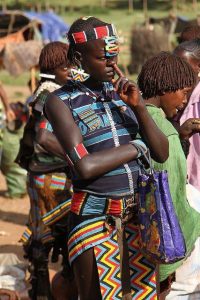
The Banna tribe, a semi-nomadic pastoralist community of around 10,000 people, has a deep historical connection to the surrounding region, particularly with the Hamar tribe, with whom they share not only a similar language but also cultural practices. Living in the southeastern part of Ethiopia near the Kenyan border, the Banna people have long relied on livestock as the cornerstone of their survival and identity. Their history can be traced back centuries, as the region’s harsh climate and geography have shaped their way of life and their resilience.
The Banna’s ancestry is believed to intertwine with that of the Hamar tribe. Historical accounts suggest that both tribes once shared a common origin, but over time, they separated due to environmental factors and social dynamics, forming their distinct identities. This division led to the development of unique customs and rituals, although many traditions remain similar between the two groups, such as their language, which is a variant of the larger Afroasiatic language family, and their shared practice of cattle herding.
The tribe’s pastoral lifestyle is based around the herding of cattle, sheep, and goats. These animals are not just a source of food but are also vital for the Banna’s social and cultural structure. Cattle hold immense value, serving as a measure of wealth, a dowry for marriage, and an important element in religious and ceremonial rituals. Over centuries, the Banna people have perfected the art of herding and breeding, ensuring the survival of their herds even during times of drought, which are frequent in the region. During the dry season, when grazing lands become scarce, the Banna take to the forests, collecting wild honey from the abundant bee populations that nest in the trees, which they sell in local tribal markets.
The structure of Banna villages reflects their deep connection to both their community and their cattle. Traditionally, villages are organized with family huts arranged in a circular formation around a central area where the cattle are kept, forming the heart of the settlement. These huts, called “tukuls,” are ingeniously built from flexible poles that are bent inward and drawn together to form a dome-like structure. The outer layer of these huts is usually covered in straw and cloth mats, designed to provide shelter and protection from the elements. The circular arrangement symbolizes the unity of the community, where each family’s role is integral to the tribe’s collective well-being.
The Banna’s social and cultural identity is deeply entwined with rites of passage, one of the most significant being the bull jumping ceremony. Like their Hamar and Kara neighbors, the Banna practice this ritual as a rite of passage that marks a boy’s transition to manhood. Bull jumping is not just a physical challenge, but a spiritual and social one as well. It signifies a young man’s readiness to marry, own cattle, and contribute to the welfare of the tribe. During the ceremony, the young man must leap over a line of bulls, a feat that requires immense courage and skill. Successful completion of this ritual grants him the right to marry and participate fully in the tribal community, establishing his place within the social hierarchy. The bull jumping ceremony is a powerful symbol of strength, maturity, and the bond between the Banna people and their cattle.
In addition to this coming-of-age ritual, the Banna also practice a variety of spiritual rituals tied to their traditional religion. Their beliefs revolve around the natural world, with many elements of nature believed to be inhabited by spirits. Trees, rocks, and other natural objects are considered sacred and are often revered in ceremonies and offerings. The Banna’s spiritual life is closely connected to their pastoral practices, with rituals designed to ensure the fertility of their cattle and the prosperity of their people.
Cultural expression among the Banna people is also closely tied to body modification and adornment. Like many other tribes in the Omo Valley, the Banna view personal appearance as a reflection of one’s social status and identity. Banna men, for instance, decorate their hair with a mixture of red clay and ochre, which is then adorned with feathers, beads, and flowers. This hairstyle is not only an expression of individuality but also a symbol of masculinity and maturity. For the women, their hair is cut short and left uncolored until they marry. Once married, a woman’s hair is grown long, braided, and colored with red clay, signifying her transition into adulthood and her new role within the community.
The clothing of the Banna people is similarly meaningful. Both men and women wear elaborate ornaments, including necklaces, bracelets, and waistbands, crafted from beads, shells, and metal. These adornments are not only for decoration but also serve as symbols of wealth, social status, and cultural affiliation. The clothing and body adornment traditions of the Banna tribe, like their hair and spiritual practices, are not merely aesthetic; they reflect the tribe’s values, beliefs, and social structure.
Throughout their long history, the Banna have managed to preserve their traditions while adapting to the changing world around them. The introduction of modern technology and the pressures of globalization have gradually impacted their way of life, yet the tribe continues to uphold its ancient customs, often blending them with new practices. The Banna, much like other tribes in the Omo Valley, remain resilient in the face of external influences, maintaining a delicate balance between tradition and change. Their history is not just a story of survival but also a testament to the strength of cultural continuity in a rapidly changing world.
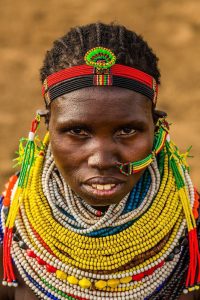
The Nyangatom tribe, a fascinating and vibrant group native to the Omo Valley, is divided into two distinct factions, each with its own unique lifestyle, traditions, and customs. These divisions are marked by geographical and cultural differences that shape the way of life for its members. One group resides near the eastern banks of the Omo River, where they have developed advanced agricultural practices and permanent settlements. The fertile lands along the river allow the eastern Nyangatom to cultivate crops and live in a more settled environment, cultivating a rich, stable existence that contrasts with the more nomadic lifestyle of their western counterparts. The second group, located near the Kibish Basin, focuses primarily on livestock herding, although they too engage in some agriculture, often in more limited quantities. Despite these differences, both groups of the Nyangatom tribe are linked by their shared heritage, and together they form a population of approximately 7,000 individuals.
The Nyangatom tribe shares close historical and cultural ties with the Topossa people of Sudan. Their proximity to the Sudanese border has greatly influenced their interactions with neighboring tribes and cultures, fostering a strong connection with the Topossa. This geographical closeness has also enabled the Nyangatom to acquire firearms relatively easily, which have become not only practical tools of defense but also symbols of status and power. Firearms are often wielded in skirmishes and conflicts with neighboring tribes, further adding to the tribe’s dynamic social structure. The Nyangatom take great pride in the achievements of their warriors, celebrating these milestones with elaborate ceremonies. One such ritual includes the sacrificial slaughter of goats, symbolizing the warrior’s success, while the deliberate scarring of the skin further marks their accomplishments and bravery.
Cultural expressions within the Nyangatom tribe are vividly represented through clothing and ornamentation, a vital aspect of their identity. Among women, social status is prominently displayed through the number and color of beaded necklaces they wear. These necklaces are a symbol of wealth and societal standing, with girls receiving their first necklace from their fathers at a young age. Each year, they add new necklaces to their collection, which are never removed. The ever-growing collection of beads serves as a testament to their family’s honor and social prestige. The distinction between married and unmarried women is also clearly communicated through their attire. Unmarried women wear goatskin skirts adorned with brightly colored beads, creating a striking visual display of youth and independence. In contrast, married women’s skirts are more subdued in color, lacking the bright beads and intricate embroidery of their unmarried counterparts.
Men within the Nyangatom tribe similarly use ornaments and physical markers to express their identity and status. Sharp metal rings and bracelets with filed edges are commonly worn by men, serving both decorative and practical purposes. These ornaments double as defensive weapons, a reminder of the tribe’s long-standing warrior culture. Additionally, the practice of scarring is widespread, with marks on the skin signifying various personal achievements, particularly in battle. These physical marks are not just symbols of bravery but are an essential part of the Nyangatom’s identity, reflecting their personal journey and the respect they command within the tribe.
In sum, the Nyangatom tribe is a deeply rooted and resilient community, with a history shaped by their environment, their social structures, and their rich cultural practices. From their agricultural achievements in the east to their herding traditions in the west, from their ties with the Topossa people to their ceremonial warrior traditions, the Nyangatom remain a fascinating example of the diverse and vibrant cultures that call the Omo Valley home. Through their clothing, ornaments, and rituals, they continue to celebrate their unique identity and honor the achievements of their people.